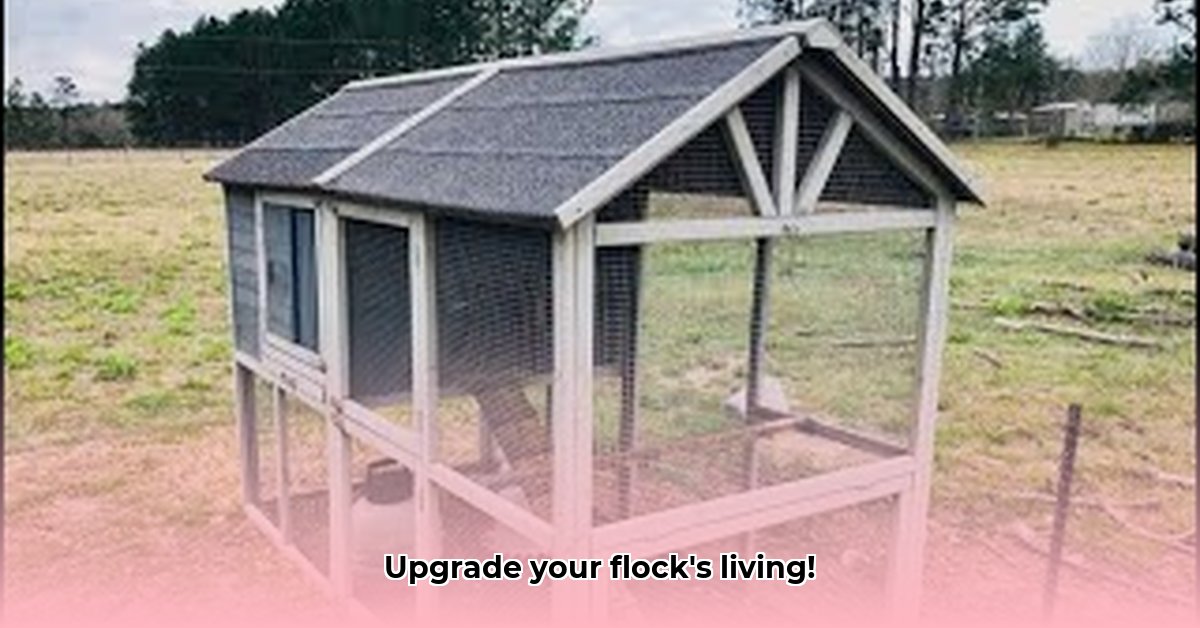
Raising chickens for eggs or meat offers a rewarding connection to food production, and sustainable practices ensure the well-being of your flock and the environment. This guide focuses on selecting the ideal chicken cage from Tractor Supply, a popular retailer for farming supplies, to support your sustainable poultry farming goals. While Tractor Supply offers a range of options, the principles discussed here apply to choosing any chicken cage, regardless of the retailer. For more information on bantam chicks, check out this resource.
Understanding Your Options: Choosing the Right Chicken Home
Selecting the right chicken housing is crucial for your flock's well-being and the success of your operation. The ideal coop depends on your space, budget, climate, and the number of chickens you plan to raise. Overcrowding leads to stress, disease, and reduced egg production.
Tractor Supply and similar stores offer various cage types. Let's examine the most common options:
| Cage Type | Pros | Cons | Sustainability Considerations |
|---|---|---|---|
| Walk-in Run/Coop | Ample space, easy cleaning, good ventilation, customizable | Higher initial cost, larger space requirement, more material usage | Prioritize sustainably sourced lumber; design for optimal ventilation and waste minimization. |
| Small Wire Cages | Affordable, space-saving (stackable), often well-ventilated | Limited space per chicken (increases stress), challenging thorough cleaning | Carefully assess space per chicken; overcrowding negatively impacts welfare and efficiency. |
| Modular Coop Systems | Flexible, adaptable to flock growth, generally good ventilation | Higher initial cost, requires assembly | Evaluate material durability; consider systems made from recycled or sustainable materials. |
Remember, the best cage depends on your specific circumstances. A small urban backyard requires a different approach than a large rural farm.
Selecting Your Ideal Cage: Key Considerations
Before purchasing a chicken cage, ask yourself these essential questions:
How many chickens will I keep? This directly impacts the required cage size. Overcrowding increases stress and disease risk. How much space per bird do you need for your chosen breed and the type of coop? (This varies based on breed and coop type).
How much space is available? Careful measurements are crucial. Consider sunlight, shade, proximity to water sources, and ease of access for cleaning and maintenance. Don't forget about potential expansion in the future. Do you have room to expand your flock later?
What's my budget? Chicken coops vary widely in price. Factor in initial costs and ongoing maintenance expenses (bedding, cleaning supplies, etc.). Can you afford the higher upfront cost of a larger, more sustainable option?
What's my local climate? Extreme temperatures require specific coop features for insulation (winter) or ventilation (summer) to ensure your chickens' safety and comfort. Will your chosen coop provide adequate protection against harsh weather?
Biosecurity is crucial. A secure coop protects your flock from predators (foxes, raccoons, etc.) and prevents the introduction of diseases. Good ventilation reduces ammonia buildup and respiratory problems, major health risks. Consistent cleaning maintains hygiene and disease prevention. How will your chosen coop support these aspects of biosecurity? (Check for features increasing security, ventilation and ease of cleaning.)
Setting Up Your Chosen Cage: A Step-by-Step Guide
Once you've selected your coop, follow these steps for proper setup:
Site Selection: Choose a level, well-drained area with partial shade, protection from wind and rain, and ideally, away from strong odors. How will you protect your coop from wind and rain?
Assembly: Carefully follow the manufacturer's instructions. If unsure about any step, consult the retailer or seek professional assistance. Safety is paramount. How long will the assembly process take? (Check assembly instructions for an estimated time.)
Bedding: Use suitable bedding like straw, wood shavings, or recycled paper. This absorbs moisture, improves cleanliness, and enhances comfort. Avoid materials that could be harmful to your chickens. What type of bedding will best suit your climate and coop type?
Ventilation: Adequate airflow prevents ammonia buildup. Ensure proper ventilation while avoiding drafts. How will you ensure adequate ventilation without creating drafts? (Check for ventilation systems and their effectiveness in the product description.)
Cleaning: Establish a regular cleaning schedule (weekly or bi-weekly). Remove manure and replace soiled bedding promptly to maintain hygiene and prevent disease. What is the recommended cleaning schedule for your chosen coop?
Sustainable Practices: Beyond the Cage
Sustainable chicken farming extends beyond coop selection. Consider these key practices:
Feed Sourcing: Choose locally sourced, organic, or non-GMO feeds to reduce your carbon footprint and support local farmers. How will you source sustainable feed for your chickens?
Predator Control: Protect your flock with proper fencing, netting, or guard animals (dogs, donkeys). What predator control measures are appropriate for your location and chosen coop?
Disease Prevention: Practice good biosecurity (cleaning, ventilation), monitor your flock, and consult a veterinarian for vaccinations and preventative measures. What are the common poultry diseases in your area? How can you prepare for them?
Manure Management: Compost manure for use as fertilizer in your garden, avoiding water contamination. How will you manage poultry manure sustainably?
Sustainable poultry farming is a holistic approach. Every decision—from coop choice to feed sourcing—impacts the environment and your chickens' well-being.
Key Takeaways: Building a Sustainable Poultry Operation
- Housing Choice: Select a coop that balances cost, space, animal welfare, and ease of maintenance.
- Biosecurity: Implement practices to prevent disease and protect your flock from predators.
- Sustainable Practices: Engage in sustainable feed sourcing, manure management, and disease prevention.
By following these guidelines, you'll create a thriving and sustainable small-scale poultry operation, providing you with fresh eggs and, potentially, delicious homegrown chicken while minimizing your environmental impact.
Instant Roost: Diving into Pre-made Chicken Coops
Embarking on your backyard chicken journey often conjures images of woodworking, blueprints, and countless trips to the hardware store. But what if you could bypass the construction phase entirely and jump straight to the joy of peeping chicks and fresh eggs? This is where pre-made chicken coops shine, offering an incredibly convenient solution for both novice keepers and seasoned pros looking for a quick upgrade. These ready-to-assemble (or sometimes even fully assembled) structures take the guesswork out of design and engineering, providing a safe, functional home for your flock with minimal effort on your part, often in just an afternoon.
While the appeal of instant gratification is strong, choosing a pre-made coop still requires a discerning eye. They come in a vast array of sizes, materials, and features, from quaint wooden designs to modern, easy-to-clean plastic models. Key considerations include ensuring adequate space per bird, robust predator protection, proper ventilation, and ease of cleaning. It’s essential to research reviews and understand the build quality, as not all pre-fabricated options are created equal. Investing a little time upfront to select a well-designed, durable coop will save you headaches down the road and ensure your feathered friends enjoy a comfortable, secure home for years to come.